Metal Detecting in Shropshire – Local History


Adventure through picturesque landscapes rich in history and discover the hidden treasures of the county with our guide to metal detecting in Shropshire. Discover ancient hill-forts, Medieval castles and relics of the Industrial Revolution. Every find reveals a new story, come and uncover the secrets buried in its fertile lands.
1. Introducing Shropshire
Shropshire County
Shropshire, nestled in the heart of England, is a land where history and rural beauty converge. This picturesque county offers a tapestry of wonderful landscapes to explore. With its undulating hills, lush valleys, and historic market towns, . Rich in heritage, Shropshire boasts a multitude of historic landmarks. From ancient hill forts to towering medieval castles, each holding secrets of the past. The majestic Wrekin, a hillfort once the seat of the Celtic Cornovii tribe rises high above the landscape. Its visible throughout the landscape and paints an idyllic backdrop for metal detecting.
Shropshires Rich Heritage
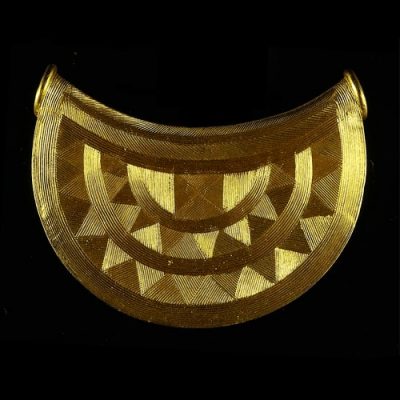
While it may be renowned for its significant role in the Industrial Revolution. Particularly in the birth of the iron and steel industry. Shropshire has a wealth of more ancient history waiting to be unearthed by metal detectorists. Beyond its industrial legacy, the county is steeped in a history that spans from before the Bronze Age to the present day. Regular discoveries by metal detectorists, including incredible artifacts such as the ‘Sun Bulla Pendant’, attest to Shropshire’s prosperous and diverse history.
Metal Detecting in Shropshire
The counties attraction doesn’t just lie in its past; it’s a vibrant destination for present day explorers seeking to delve into the depths of time. Our group, ‘Noble Pursuits Metal Detecting Club‘ is based in Shropshire. Of all the counties in the country, you will most often find us metal detecting in its diverse landscapes. Whether you’re an experienced detectorist or new to the hobby, visit our ‘Events’ section. It tells you everything you need to know about getting involved in our Shropshire metal detecting events. Landowners interested in earning money from metal detecting their land can learn more about working with us in the ‘Landowners & Farmers’ section.
Continue reading below to dive into the rich history and scenic beauty of Shropshire with us, where every find reveals more to the story of this enchanting county.
2. The Landmarks of Shropshire
Shropshire, a county rich in history and natural beauty, boasts an array of landmarks that draw tourists and history enthusiasts from across the globe. Each site in Shropshire tells a unique story, providing a fascinating glimpse into the county’s past.
Hillforts: Among the most notable is The Wrekin, a famous Iron Age hillfort known for its distinctive shape and panoramic views. Shropshire’s landscape is dotted with many such ancient fortifications, each holding centuries-old secrets.
Wroxeter Roman City: Once among Britain’s largest Roman cities, Wroxeter’s ruins, including a bathhouse, temple, and basilica, offer a captivating journey back to ancient times.
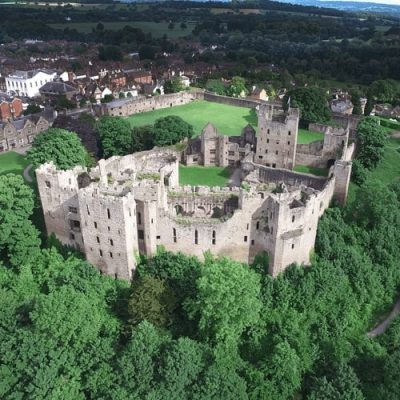
Castles: The county is also home to several historic castles such as Ludlow Castle, a well-preserved medieval gem, and Stokesay Castle, a 13th-century fortress. These castles stand as silent witnesses to the region’s tumultuous history.
Shrewsbury: This medieval town, with its charming half-timbered buildings and winding streets, is a delight for visitors. It encapsulates the essence of historical Shropshire.
Attingham Park: This grand mansion, now under the National Trust, is surrounded by extensive parkland and gardens, showcasing the county’s aristocratic past.
Ironbridge: A symbol of the Industrial Revolution, this pioneering bridge marks a significant chapter in the county’s, and the world’s, industrial history.
These landmarks represent just a fraction of what Shropshire has to offer. Dive deeper into Shropshire’s ancient past and discover the incredible finds unearthed by metal detectorists in the county’s diverse countryside below. Shropshire’s landscape is a treasure trove, waiting to be uncovered through metal detecting.


3. Bronze Age History in Shropshire
Bronze Age Shropshire
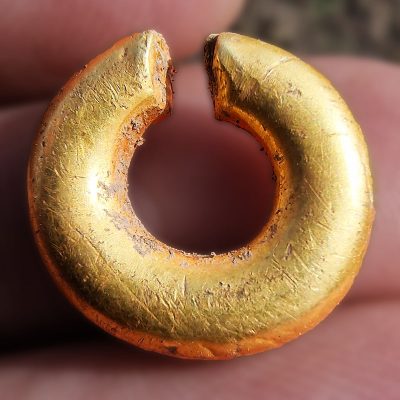
The Bronze Age in Shropshire dates back to approximately 3300-700 BCE. During this time, the area saw the development of complex societies and the use of bronze tools and weapons. Archaeological finds such as burial mounds, enclosures and metalworking sites are abundant. This suggest that the region was both widely populated during this period and home to wealthy, powerful individuals. Some notable recent finds have confirmed this, such as the spectacular “Sun Bulla” pendant pictured.
The Wrekin
The Wrekin, a prominent hill in Shropshire, England, holds a rich Bronze Age history. This era, dating back to around 2100–750 BC, saw the Wrekin become a significant site for early human settlement and activity. Archaeological evidence suggests it was used for ceremonial purposes and possibly as a hillfort, highlighting its importance in the prehistoric landscape of Britain. Its commanding views and strategic location made it a valuable resource for ancient communities.
Bronze Age Discoveries
With much of the Bronze Age landscape now lost to the plough, metal detecting in Shropshire has played a pivotal role in revealing the history of our early ancestors. Noble Pursuits is proud to have contributed some of the most important recent discoveries of Bronze Age history in the county. Our metal detecting club has unearthed numerous important individual finds including Bronze Age gold ‘ring money’ and an extremely rare ‘Hallstatt’ razor. Our club has also unearthed two important Bronze Age hoards. You can see more details about one of our hoard finds in the link below.



4. Iron Age History in Shropshire
Celtic Shropshire
The Iron Age in Shropshire, a period deeply intertwined with Celtic culture and the later Roman conquest, presents a fascinating chapter in the region’s history. This era saw the Celts establish significant settlements and farms across Shropshire, marked by the construction of numerous hillforts for defense, with The Wrekin being one of the most prominent.
Inhabiting these lands were the Cornovii tribe, a Celtic group whose presence is evidenced by various forts and monuments. Interestingly, unlike many contemporaneous tribes, the Cornovii did not produce their own currency and there is scant evidence of local metalworking from this period. It is speculated that they may have engaged in pottery making or horse rearing, trading these goods with neighboring tribes.
The Roman Invasion
The Roman invasion of Britain in 43 AD brought profound changes to Shropshire. The Romans introduced advanced technologies like aqueducts, roads, and bathhouses, elevating the standard of living in the region. Wroxeter, known as Viroconium in Roman times, emerged as a vital regional center under Roman rule, boasting a large bathhouse and notable public buildings.
Despite the Roman domination, Celtic culture continued to thrive in Shropshire. The Romans, respecting local customs and traditions, allowed the Celts to retain their language, religion, and societal structures. This led to the formation of a unique, hybrid society blending Roman and Celtic elements.
Iron Age Legacy
As the Roman Empire waned, the local populace increasingly embraced a Celtic identity, a shift visible in burial customs and artifacts that display a fusion of Roman and Celtic styles.
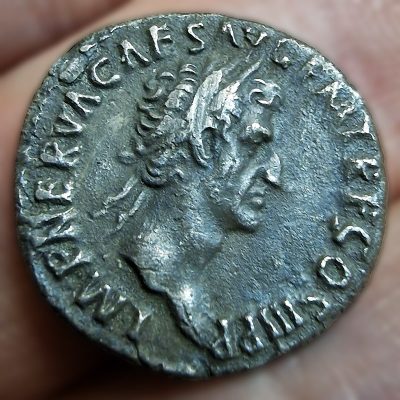
The rich Iron Age history of Shropshire is vividly brought to life through the remarkable artifacts and coins discovered during Noble Pursuits events. These finds are numerous and are found across the county, offering a tangible connection to the area’s Iron Age past, where Celtic and Roman legacies intertwined to shape the cultural landscape of Shropshire.

5. Medieval History in Shropshire
Early Medieval Shropshire
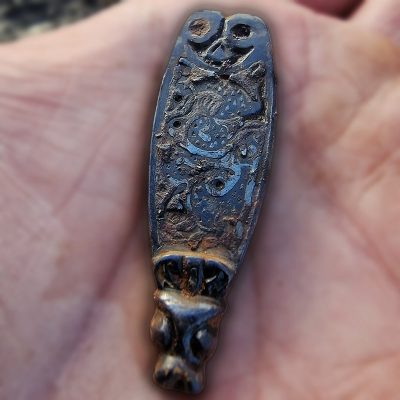
Shropshire’s medieval history is a rich tapestry that stretches back to the Saxon era and beyond. Encapsulating a period of intense activity and significant developments. The town of Shrewsbury, established as a Saxon market town in the 7th century, stands as a testament to the county’s early importance. This county also witnessed pivotal battles in the Saxon period, such as the Battle of Maserfield in 642. During this battle Saxons and Welsh forces clashed near what is now Oswestry. Saxon finds are quite uncommon in Shropshire and the Doomsday book shows that most towns and villages were small at this time. While historic evidence may be scarce, it is widespread, indicating Saxon inhabitants throughout the county.
The Growth of Shropshire
As the medieval period unfolded, Shropshire’s strategic significance continued to grow. The county saw the construction of several castles, notably Shrewsbury Castle, built in the 11th century. This fortress played a key role in the ongoing conflicts between the Normans and the Welsh. Additionally, Shropshire became a focal point for religious institutions, including the establishment of the Abbey of Haughmond in the 12th century.
Trade and commerce flourished in medieval Shropshire. Market towns like Ludlow and Shrewsbury emerging as bustling centers of economic activity. The county also became a hub for industry, particularly in textiles and ironworking, further bolstering its economic stature.
Medieval Conflicts
The late medieval period in Shropshire was marked by significant historical events. The Battle of Shrewsbury in 1403, a confrontation between King Henry IV and Henry Percy’s rebel forces, and the Battle of Ludlow in 1461, part of the War of the Roses between the Yorkists and Lancastrians, were pivotal moments that shaped the county’s history.
Medieval Finds
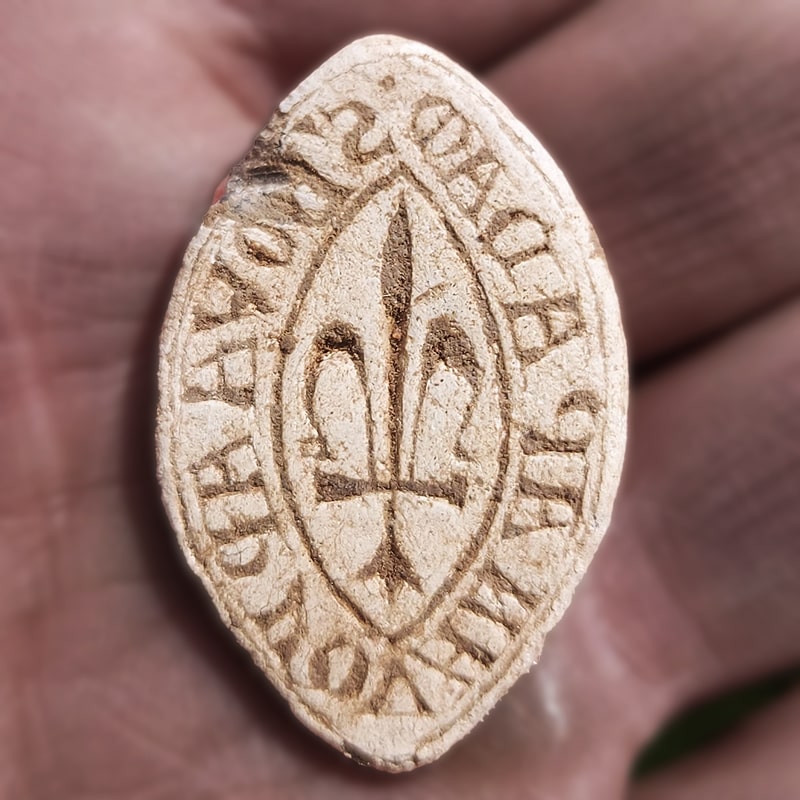
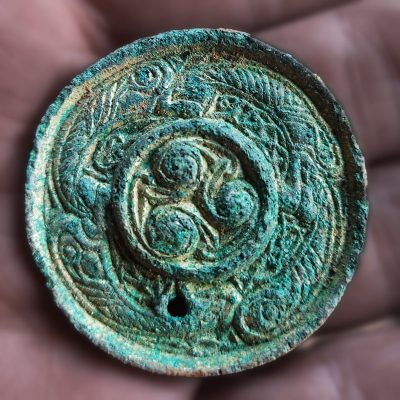
Shropshire’s medieval legacy is not only evident in its historic sites and landmarks but also in the numerous finds uncovered by metal detectorists, who have revealed artifacts that offer glimpses into the county’s vibrant past. These discoveries continue to shed light on the medieval period’s influence on Shropshire, making it a fascinating destination for anyone interested in exploring the depths of England’s history.


5. Post-Medieval History in Shropshire
The Post-Medieval Period
Shropshire’s post-medieval history is marked by significant development, conflict, and innovation. Shaping the county into a pivotal region in England’s history. The Tudor period brought about substantial growth in agriculture and trade, enhancing the prosperity of the county. This era laid the groundwork for Shropshire’s transformation in the centuries to follow.
Shropshires Civil War
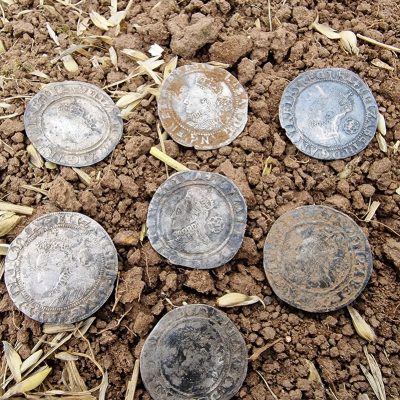
During the tumultuous times of the English Civil War, Shropshire emerged as a crucial Royalist stronghold. The city of Shrewsbury, in particular, played a significant role in the conflict. King Charles I even established a temporary coin mint in Shrewsbury, underlining the strategic importance of the county. The period was marked by several skirmishes and battles throughout this period. Metal detecting finds from this era reveal the county’s wealth and showcase its rich historical narrative.
The Birth of the Industrial Revolution
A landmark event in Shropshire’s history occurred in 1779 with the construction of the world’s first iron bridge. The Ironbridge became a symbol of the dawn of the Industrial Revolution, highlighting Shropshire’s instrumental role in this transformative period. The 19th century saw a surge in industrialization within the county, particularly in coal mining and the iron industry. Further solidifying its place in the annals of industrial history.
The post-medieval period in Shropshire is not only a story of economic and industrial evolution but also of enduring resilience and adaptability. The county’s landscape continues to be a fertile ground for metal detecting. Metal detectorists regularly uncover artifacts that bring to life the rich tapestry of Shropshire’s post-medieval history. From the upheavals of the Civil War to the innovations of the Industrial Revolution.