


Finds Pouches and Boxes


Find the ideal solution for storing your metal detecting finds with our in-depth guide. From specialist pouches to creative boxes, we cover everything you need to know about effectively protecting and transporting your discoveries

1. Introduction
Safe Keeping
As you embark on your metal detecting journey, one aspect you might not have considered yet is how to manage and store your finds. While it might seem simple to just put them in your pocket or a rucksack, there’s a lot more to consider. Especially when it comes to the valuable or delicate objects you could unearth, or any scrap metal you find.
Responsible Detecting
Leaving scrap metal or other finds on the ground is highly discouraged. It’s not just a form of littering, but it can also pose risks to livestock and damage farming equipment. Burying your finds again isn’t good practice either, particularly during organized events where it could lead to a ban, or even on your own permission, where you will likely end up digging the same rubbish again later.
The Right Gear for the Job
This is where specialist carrying compartments like finds pouches and boxes become essential. They’re not just about convenience; they play a crucial role in the conservation of finds, ensuring health and safety, and adding to the overall practicality of your metal detecting experience. In the sections below, we will explore the main benefits of different types of pouches and boxes, helping you choose the right solution to keep your treasures safe and organized.

2. Benefits of Finds Pouches
Highly Useful
For any metal detectorist, a dedicated finds pouch is an indispensable piece of equipment, offering numerous benefits over simply using pockets in your clothing or a standard rucksack. While it might seem sufficient at first to use what you already have, a specialized finds pouch addresses several important issues.
One of the primary advantages of a finds pouch is its ability to securely hold items of varying sizes, from small, easily lost treasures to larger finds that might not fit comfortably in regular pockets. Additionally, scrap metal, a common find in metal detecting, can be dirty and sharp, posing a risk of damaging your bags or clothing. There’s also the health and safety aspect to consider – keeping sharp, dirty metal close to your body can lead to injuries, tetanus, or infection; especially if stored alongside personal items like your lunch!
Designed to Detect
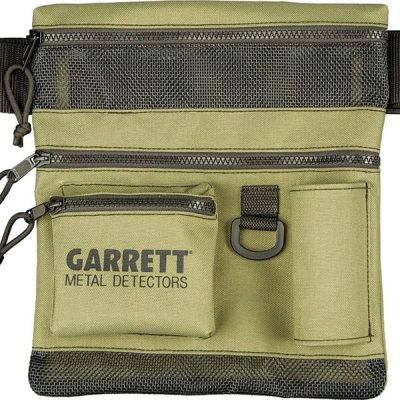
Finds pouches are thoughtfully designed with the needs of detectorists in mind. They typically feature multiple pockets, allowing for organized storage of all necessary items within arm’s reach. A standard pouch will often include a compartment for your pinpointer and digging tool, ensuring they’re readily available when needed. There’s usually a large pocket specifically for scrap metal, some even equipped with mesh bottoms to let loose dirt fall through, thus reducing the weight you carry.
In addition to the main compartments, finds pouches often have smaller pockets for safely storing delicate finds or personal items like spray water bottles for cleaning finds in the field. Most pouches are designed to be hip-mounted, threading through belt holes, and may come with additional leg straps for better weight distribution and security. This design is advantageous as it avoids putting pressure on your spine, unlike shoulder bags or backpacks.
The benefits of a finds pouch extend beyond mere convenience. They provide a practical, safe, and comfortable solution for carrying your finds, tools, and personal items, making them a must-have for any serious detectorist.
3. Types of Finds Pouch
The Range of Options
The market offers a diverse range of finds pouches, each with varying features and designs, making the choice of the right one for your metal detecting needs an important decision. The type of pouch you select largely depends on what you intend to carry in it. Factors such as the size of your finds box, the brand and size of your pinpointer, and whether you carry a digging tool are crucial considerations. It’s essential to ensure that everything you need fits comfortably and securely within the pouch.
Generally, opting for known brands in metal detecting gear is advisable. These brands design their pouches with the specific needs and challenges of metal detecting in mind, ensuring functionality and durability. There are numerous lesser-known brands marketing their products as finds pouches, often at competitive prices. However, caution is advised with these options, as they may not always meet the practical requirements of metal detecting, such as having appropriately sized loops for a pinpointer.
Alternative Style
Beyond the traditional hip-mounted pouches, there are other styles to consider. Some pouches are designed to be worn over the shoulder, catering to those who prefer this carrying style. Alternatively, a bum-bag or fanny-pack can be a good choice for those who prefer to distribute the weight at the front. Another innovative solution adopted by some detectorists is wearing a fishing jacket. These jackets come with multiple pockets, offering ample space for all your gear while evenly distributing weight across your body.
Used & Abused
It’s important to note that even the best-maintained finds pouches will need to be replaced eventually. The combination of exposure to dirt, water, and the rigours of regular use will gradually wear down even the most robust pouches. Selecting the right finds pouch involves balancing personal carrying preferences, the specific equipment you use, and the quality and durability of the pouch. With the right choice, you can ensure all your finds and tools are securely and conveniently stored during your metal detecting adventures.

4. Benefits of Finds Boxes
Treasured Security
A finds box is a vital component of any metal detectorist’s gear, serving as a secure storage space for any items of interest or value. The main advantages of carrying a finds box are the protection and security it offers to your treasured finds. A well-designed finds box ensures that any discoveries, especially delicate or valuable ones, are safeguarded from damage during your metal detecting activities.
One of the critical benefits of a finds box is its ability to prevent movement of the items inside. This is particularly important for fragile finds, as movement can lead to abrasion or breakage. A finds box designed to keep items stationary helps preserve the condition of your finds, no matter how rugged the terrain you explore.
Different Designs
Some finds boxes also feature compartments or dividers, which are useful for organizing and separating different finds. This not only makes it easier to locate specific items later but also prevents them from rubbing against each other, thus avoiding potential damage.
A high-quality finds box typically includes a secure closure mechanism, minimizing the chance of accidental loss while out in the field. When choosing a finds box, it’s important to consider size too. Ensuring it has ample space for everything you might discover on an average day. If your box has lots of compartments, make sure these are in a range of sizes so they can hold a variety of differently sized and shaped objects.
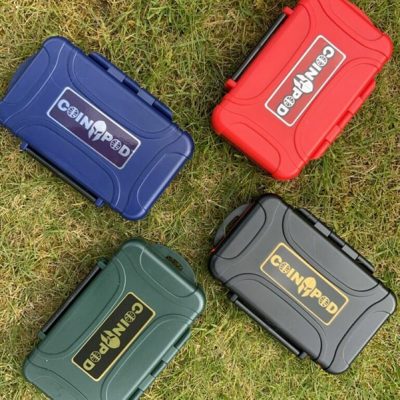
Another practical consideration is the colour of the finds box. Opting for a brightly coloured box can be advantageous, as it makes the box more visible and easier to find if you drop it or leave it behind during your search.

5. Types of Finds Box
Boxing Clever
As you delve into metal detecting, you’ll soon realize the importance of having a reliable finds box. The market offers various types of specialist finds boxes, and you may even encounter detectorists who have crafted their own. They come in a range of sizes, but mainly fall into two categories: those with multiple compartments and those with a single large compartment.
The choice between these types largely depends on personal preference. As a beginner, a box with plenty of space is advisable, as you’re likely to want to keep most of what you find. However, as your collection and expertise grow, you might prefer something smaller as you will likely be more selective.
Advantages & Features
Both types of finds boxes have their advantages. Boxes with a single large compartment can accommodate larger finds, but there’s a risk of items touching and falling out each time you open the box. On the other hand, boxes with separate compartments offer more protection and organization for your finds, though they can be less convenient when trying to locate a specific item or fit a large or unusually shaped find.
A key feature to look for in any quality finds box is foam inserts. These inserts prevent your finds from moving and getting damaged. While branded finds boxes are a great option, don’t overlook tackle boxes or hardware organizers, which can be equally effective. If you opt for a box with multiple compartments, ensure they come in varied sizes to accommodate a range of find sizes and shapes.
If you choose a box not specifically designed for metal detecting, it likely won’t have protective inserts. In such cases, consider padding the compartments with suitable materials to keep your finds secure. Ultimately, the best finds box for you will depend on your personal needs, the nature of your finds, and your approach to organizing and protecting them.


