


Pinpointers


Get field-ready with our in-depth guide to pinpointers, an indispensable companion for any metal detectorist. We break down why you need one, the differences in models, and what to look for in terms of quality and features. Helping you to make an informed purchase.
1. Introduction
Essential Accessory
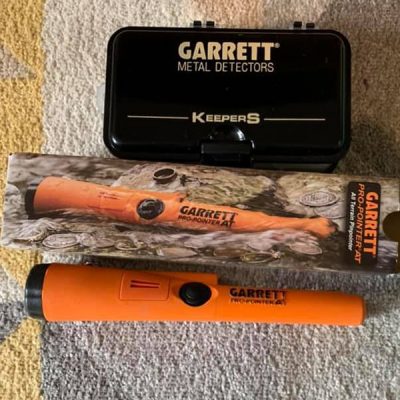
If you’re new to metal detecting, you might be unfamiliar with what a pinpointer is and its significance in your detecting toolkit. Essentially, a pinpointer is a form of miniature compact metal detector you can hold in your hand.
You might wonder why you would need a secondary, smaller metal detector alongside your main device. The answer lies in the considerable advantages that pinpointers offer. While not absolutely essential for metal detecting, they have become a staple in the average detectorists’ gear. In fact, it’s a rare sight to see a detectorist in the field without one.
In this guide, we will explore the key reasons why a pinpointer is a valuable addition to your detecting arsenal. We’ll also provide insights on what to look for when choosing a pinpointer, ensuring you select the best tool to enhance your metal detecting adventures.
2. The Benefits of Pinpointing
Key Advantages
Carrying a pinpointer alongside your metal detector offers several key advantages that enhance the overall metal detecting experience. While a pinpointer may have fewer features than a full-sized detector, it excels in ways that your main detector might not. Standard metal detectors are great at guiding you to the general area of a find, but they can struggle with perfect precision, especially with items that are deeply buried or particularly small.
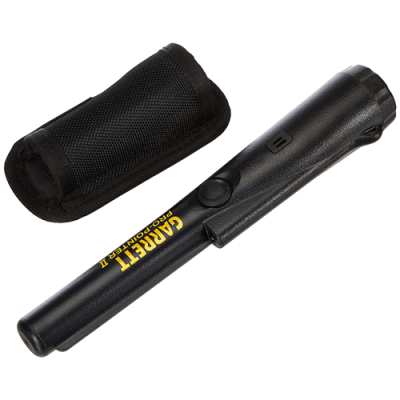
This is where the pinpointer shines. Its compact size and pointed design allow it to fit into small holes, pinpointing the exact location of your find. By knowing exactly where your find is, be it at the bottom of the hole or embedded in the sidewall, you can excavate it much more carefully and precisely. This greatly reduces the risk of inadvertently damaging it.
A Law of Averages
Pinpointers are also invaluable in speeding up the process of locating a find once it’s been unearthed. The quicker you can identify and retrieve your targets, the more productive your metal detecting session becomes. This increased efficiency means more finds in your box and less time spent digging and searching.
Important Tip
One practical tip for using a pinpointer: remember to remove any personal metal jewelry like rings to prevent interference and false signals. By incorporating a pinpointer into your toolkit, you not only improve the accuracy of your searches but also protect your finds, making your metal detecting adventures more successful and enjoyable
3. Types of Pinpointer
Buy Better
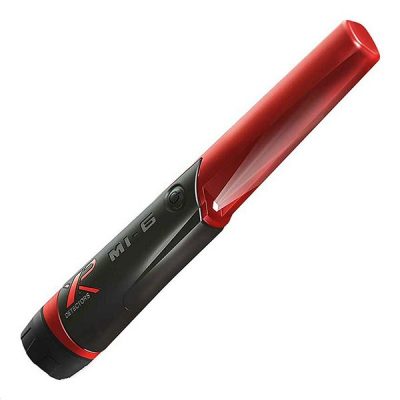
Navigating the variety of pinpointers available on the market can initially seem daunting, but understanding the key features and differences can make the choice much simpler. While there are many options with varying price points, we recommend sticking with well-known and trusted brands for reliability and quality.
Beware of Fakes
You may come across numerous inexpensive pinpointers, often priced around £20, on various online platforms. Despite their resemblance to branded models, the performance gap is significant. The primary qualities you want in a pinpointer – depth and sensitivity – are often lacking in these cheaper alternatives. Many budget models struggle with detecting common items like coins at a distance greater than a centimeter, making them very ineffective in the field. Moreover, they are prone to durability issues and break very easily.
The Price of Performance
You may come across numerous inexpensive pinpointers, often priced around £20, on various online platforms. Despite their On the other hand, a branded pinpointer typically costs between £70 and £120. These models are well-constructed, usually fully waterproof, and offer longevity that justifies the investment. When it comes to top-tier models, you can expect consistent and reliable performance, but there are a few additional features to consider:
What to Consider
- Battery Type: Most pinpointers are powered by a 9V battery, but there are models available that are rechargeable. Opting for a rechargeable pinpointer can save you money over time, as a battery in regular use typically lasts 1-2 months.
- Compatibility with Metal Detectors: Some metal detector brands also produce pinpointers. Choosing a pinpointer from the same brand as your metal detector can offer added benefits, such as reduced interference and the ability to pair with your existing headphones for clearer signals.
- Underwater Use: If you plan on underwater searching, specialized underwater pinpointers are available. These models are specifically designed to perform in salt-water environments and are an excellent choice for divers or beach detectorists.
Caring for Your Device
It’s important to note that pinpointers are not designed for digging. Misusing a pinpointer as a digging tool will cause unnecessary wear and tear and will eventually compromise the waterproof capabilities. To avoid damaging your pinpointer, invest in a separate digging tool for excavating finds. Many detectorists will choose one that is a bright colour, so if you accidently drop it in the field it’s easy to spot. We highly recommend attaching your pinpointer to a rucksack or finds pouch with a lanyard to prevent loss. These are expensive items and the piece of kit that’s most often misplaced by carless detectorists.


