


Spades, Shovels and Digging Tools


Choosing the right digging tools is a key aspect of metal detecting. Our guide helps you navigate through various options, highlighting how to balance durability with comfort. Whether it's a reliable shovel or a specialized scoop, find the perfect match for your terrain and technique.
1. Introduction
A Key Consideration
Often underestimated, the choice of your digging tool can significantly influence your detecting experience. Metal detecting involves a considerable amount of digging, and the tool you choose not only needs to be effective but also comfortable to carry throughout your adventure. That heavy, cast iron trenching shovel in your shed? It might not be the best companion for a day of metal detecting.
In this guide, we explore the extensive range of spades and shovels available to you, both online and in your local hardware stores. We understand that the difference between a spade and a shovel might not be common knowledge, but it’s an important distinction that every metal detectorist should understand.
Specialist Tools
We also delve into the world of specialized spades designed specifically for metal detecting. With some of these being quite a large investment, we examine whether they are truly worth the extra cost compared to more affordable options. Our guide aims to provide you with all the necessary information to choose the right tool that is fit for purpose and comfortable for you.
Guiding Light
Our comprehensive guide covers everything from understanding the right tool for different types of terrain, to considering the weight and ease of use, and evaluating the cost versus benefits of various models. By the end of this guide, you’ll be equipped with the knowledge to select the best spade or shovel that enhances your metal detecting experience and makes sure you’re ready to start digging for treasures with confidence.
2. Type & Terrain
Spades & Shovels
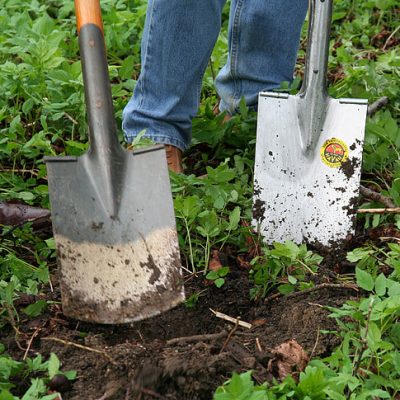
In the world of metal detecting, the choice between spades and shovels is more than just a matter of preference; it’s about practicality and adaptability to various terrains. Broadly, there are two main categories to consider: spades, which typically have a flatter edge, and shovels, known for their rounded shape with a pointed tip. While both can efficiently dig holes in soft soil, the versatility of your tool becomes crucial when facing diverse metal detecting landscapes.
Varied Terrain
Different terrains pose unique challenges. Stoney or clay soils, for instance, are much tougher to penetrate, as are areas with dense roots from bushes and trees. Furthermore, soil conditions can vary drastically with the seasons, becoming particularly hard during summer and winter months. For an all-around digging tool, shovels are generally recommended due to their superior performance in a wider range of conditions compared to spades.
Size Matters
When choosing your tool, it’s also important to consider the size of the head. Contrary to what one might think, bigger isn’t always better in this case. Smaller heads are often preferable as they require less effort to dig and dig smaller holes. This is especially when detecting on farmland or in public areas where it’s important to leave minimal trace. A tool with a pointier shape is generally better as it penetrates tough ground more easily.
Is it Tough Enough
Durability is another key factor. Regular metal detecting puts significant strain on your digging tools, and even high-quality equipment can succumb to challenging conditions. Opt for something sturdy and well-crafted to withstand regular use. Be wary of fold-out or screw-together shovels marketed for their portability. Despite their appeal, these often lack the durability needed for regular use in the field.
Kick-Plates
Many shovels and spades feature kick-plates – flattened areas on the blade’s shoulders. While adding a bit of weight, these kick-plates are invaluable for providing extra downward force, making digging easier and protecting your feet and footwear from damage.
Prepare to Fail
As a precaution, always have a backup digging tool in your car if possible. There’s nothing more frustrating than having your shovel break with no replacement at hand, especially if you’ve traveled a long distance. Choosing the right shovel or spade for metal detecting isn’t just about the type; it’s about understanding the demands of different terrains and ensuring your tool is up to the task. With the right equipment, you can ensure a productive and enjoyable metal detecting experience in any environment.
3. Weight and Size
How Does it Handle?
When selecting the ideal spade or shovel for metal detecting, weight and size are crucial factors that can greatly influence your comfort and efficiency in the field. The perfect tool should strike a balance between being lightweight for easy carrying and durable enough to withstand various digging conditions.
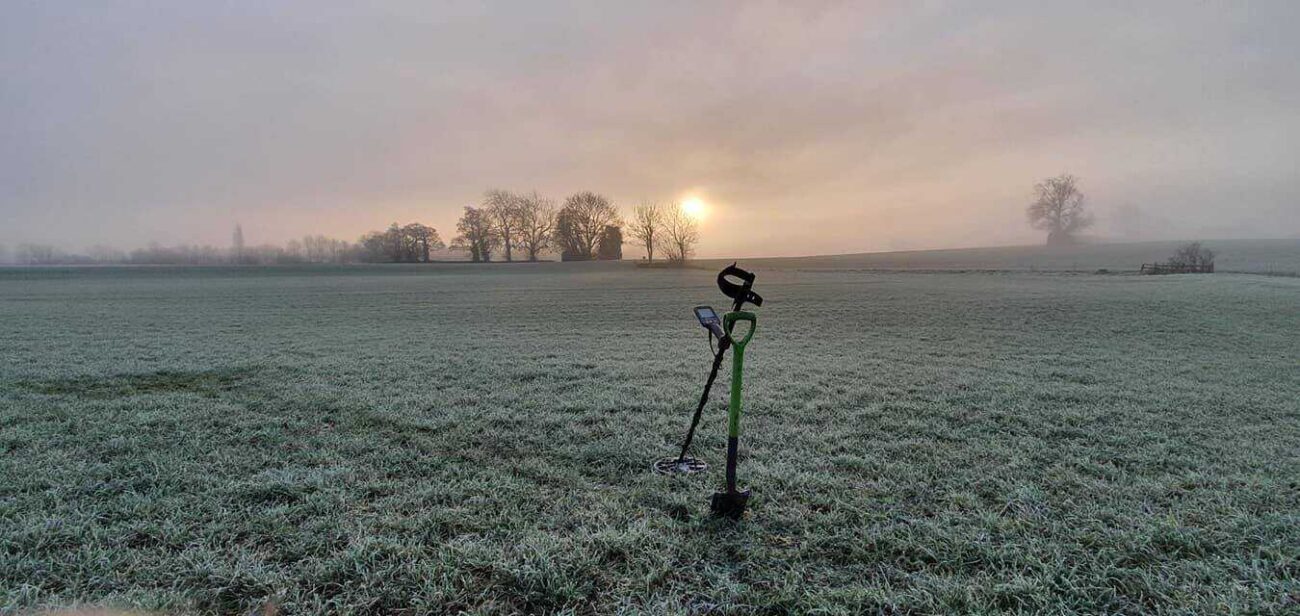
Spades and shovels are generally available in two main sizes: full-size and handheld. The choice between these sizes largely comes down to personal preference, and you will often see metal detectorists using both types.
Full-Throttle
Full-sized spades and shovels have the advantage of making digging easier, thanks to their longer handles and larger blades. However, their larger size means they are heavier and often require one hand to carry them. Though some innovative detectorists have found ways to carry them hands-free, such as attaching them to ropes and dragging them along. Despite their larger size and weight, they are the better option for those with back problems. A full-sized spade or shovel will require much less bending down.
Full-Throttle
Half-sized tools on the other hand, offer greater portability. These are often light enough for detectorists to attach them to a backpack. This keeps their hands free for detecting or other activities, but may be frustrating on fields with lots of signals. The trade-off with handheld spades and shovels is that they typically require more bending over to dig. An important consideration for individuals with back issues or other mobility concerns.
Hold on Tight
Another important aspect to consider is the grip of the shovel or spade. A secure grip not only provides comfort but also reduces the risk of injury. If you’re opting for a spade with a “D” grip, ensure that your hand fits comfortably through it, especially if you have larger hands.
When choosing a spade or shovel for metal detecting, consider how the weight and size will affect your day out in the field. Whether you opt for a full-sized or handheld tool, the key is to find one that suits your physical needs. Comfort and efficiency are paramount, ensuring that your focus remains on the excitement of the hunt rather than the strain of the tool.

4. Cost
Price Difference
The price range for spades and shovels can vary significantly, offering options for every budget. At the lower end of the spectrum, you can find basic handheld spades for less than £10 in some hardware stores. On the other hand, specialized spades designed specifically for detectorists can cost close to £100.
No Guarantees
When it comes to tools, price often correlates with quality. While this is generally true of most metal detecting equipment it’s not an absolute guarantee in this case. Sticking to well-known tool makers or brands associated with metal detecting will increase your chances of getting a quality product. However, I have known cheap digging tools last for many years. I have also seen top of the range spades snap unexpectedly. But in my personal experience, cheaper shovels can certainly do the job, but might only last a year at most. In contrast, higher-end shovels tailored for detectorists usually have a much longer lifespan, with breakages being a rare occurrence.
Choose Wisely
The key is to choose a spade or shovel that feels comfortable and durable for your use. It’s about finding the right balance between cost and quality that suits your metal detecting needs and budget. As with all tools, using your equipment correctly will play a huge role in its lifespan. Many breakages I have seen could have been avoided with more care.
For those seeking guidance, we have a selection of recommended tools based on our personal experiences and expert evaluations. Feel free to visit our equipment section to explore our top picks and find a spade or shovel that aligns with your preferences and price range.
5. Other Digging Tools
Something Smaller
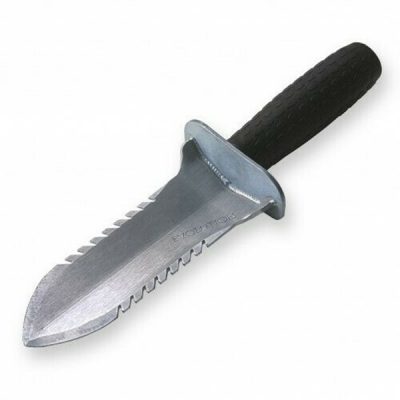
While a spade or shovel is essential for starting your metal detecting journey, there are several other tools worth considering to enhance your experience. Many detectorists carry a specialist hand trowel, an invaluable tool when it comes to excavating finds with precision and care.
Digging out delicate or valuable objects with a large spade can be challenging and risky, potentially causing damage. A specialist digging tool, such as a hand trowel, addresses this issue by allowing for more accurate and careful removal of objects from your discoveries. These tools are specifically designed for metal detecting and come in various styles to suit different types of soil and digging conditions.
While there are several high-quality, specialized digging tools available on the market, there are also more affordable alternatives that can perform admirably. Simple tools like a cement or garden trowel can be quite effective and are a great option for those on a budget.
Specialised For Sand
For enthusiasts who frequently detect on beaches, a sand scoop is another tool to consider. These scoops are incredibly efficient for separating sand from your target, particularly useful when detecting near the tide line and wanting to avoid getting wet. While sand scoops can be a bit pricey, many regular beach detectorists view them as an essential addition to their kit, saving time and effort during the hunt.


