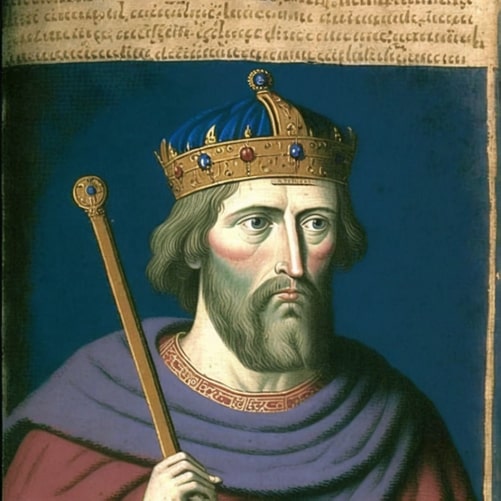
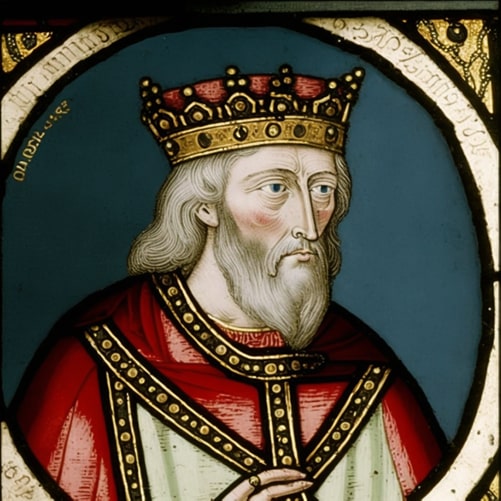
Eadwig / Edwy All-Fair


Eadwig / Edwy All-Fair
955 – 959 A.D
Explore the reign of King Eadwig All-Fair, marked by personal scandal and political turmoil. Ascending the throne young, his rule underscores the trials of early medieval kingship and the intricacies of royal succession in England's evolving kingdom.
Early Life and Background
Eadwig, known as “All-Fair” for his striking appearance, was born around 940, a member of the House of Wessex. As the elder son of King Edmund I, Eadwig was raised in an environment steeped in the legacy of his royal predecessors, including his grandfather Edward the Elder and great-uncle Alfred the Great. His early life was shaped by the achievements and challenges of these former rulers, setting the stage for his future role as king.
Ascension to Power
Eadwig ascended to the English throne in 955 at a young age, following the death of his uncle, King Eadred. His rise to power came at a time when the unity and stability of the English kingdom were still fragile, with the constant threat of Viking invasions and internal dissent.
Rule and Reign
Eadwig’s reign, although brief, was marked by significant internal turmoil and political strife. He faced opposition from various factions within the kingdom, including church leaders and members of the nobility. One of the most notable incidents of his reign was his conflict with Saint Dunstan and the church, which stemmed from a personal scandal and led to Dunstan’s temporary exile.
Challenges and Conflicts
Eadwig’s rule was challenged by both personal controversy and political disputes. His alleged romantic indiscretions, which caused a scandal at his coronation feast, strained his relationship with the Church, a vital institution in the kingdom. Furthermore, his reign was marked by divisions within the royal family, particularly with his younger brother Edgar, who would eventually succeed him. These internal conflicts weakened Eadwig’s authority and undermined the stability of his reign.
Diplomatic and Cultural Contributions
Despite the challenges of his reign, Eadwig’s tenure saw the continuation of the cultural and religious patronage characteristic of his predecessors. However, his strained relations with prominent church figures, notably Saint Dunstan, overshadowed much of his cultural and diplomatic efforts.
Legacy and Succession
Eadwig’s legacy is one of a troubled reign, which highlighted the difficulties of maintaining royal authority and unity in a period of significant transition. His premature death in 959 brought an end to his contentious reign and led to the succession of his brother Edgar, who would go on to restore stability and continue the process of consolidating the English kingdom.
Personal Life
Eadwig’s personal life, particularly his alleged affair with Ælfgifu, was a source of much controversy. This relationship not only caused a rift with the Church but also played a role in the political conflicts of his reign. Eadwig’s personal choices, and the scandals that ensued, significantly impacted his ability to rule effectively.
King Eadwig All-Fair’s biography offers a glimpse into the tumultuous nature of early English kingship, where personal actions had profound political consequences. His reign serves as a reminder of the challenges young rulers faced in navigating the complex landscape of medieval monarchy, and the impact of personal indiscretions on royal authority and national stability.